














Blog
08.Jun.2026
Women’s Performance Nutrition: Designing Protein, Creatine, and Hormone-Friendly Formulas That Actually Fit Her Life
Women’s performance nutrition is finally moving beyond the old “shrink it, pink it, and sweeten it” approach.
That is a good thing, because active women do not need smaller versions of men’s sports nutrition products. They need formulas designed around how they actually train, recover, eat, shop, and live. That means understanding protein needs, iron status, B-vitamin considerations, digestive tolerance, convenience preferences, flavor expectations, and the reality that energy, mood, and recovery are not static across the month. Research on female athletes and physically active women consistently shows that sex-specific needs exist, while also making clear that the evidence base still has gaps and that individualized planning matters. (OUP Academic)
For brands, this creates a major opportunity. The women’s sports nutrition market is no longer limited to “lean protein” or “weight management” positioning. Today’s consumer is looking for products that support strength, recovery, energy, and everyday performance in formats that feel practical rather than extreme. She may want protein that is easier to finish, creatine that feels approachable, hydration or micronutrients that address real fatigue concerns, and packaging that fits a gym bag, work tote, or desk drawer. That shift is commercial, but it is also technical. Better positioning starts with better formulation logic.
The mistake many brands still make is assuming women’s performance nutrition is mainly a branding exercise. It is not. It is a formulation exercise first. The strongest products in this category are the ones built around real physiological considerations and practical compliance, not just a more feminine label.
Women are more likely to face iron-related challenges because of menstrual blood loss, and iron deficiency remains common in female athletes and active women. Public health and sports nutrition sources both highlight iron as a key monitoring point, especially when fatigue, heavy training, or restrictive eating patterns are part of the picture. (Office of Dietary Supplements)
Protein matters just as much for women as it does for men, but the product format, serving style, and usage moment often need to be rethought. Practical sports nutrition guidance for female athletes points toward consistent daily intake and even distribution across the day, rather than treating protein as a giant post-workout event only. One sports nutrition review aimed at female athletes recommends centering total intake around roughly 1.4 to 1.6 g/kg/day and spacing protein every 3 to 4 hours as a practical strategy. (Gatorade Sports Science Institute)
There is also a behavior gap that matters commercially. Many active women are not avoiding performance products because they do not care about results. They avoid them because the products feel too large, too heavy, too sweet, too “hardcore,” too inconvenient, or too disconnected from daily life. So the winning formula is not just physiologically relevant. It is also usable.
Yes, protein needs are real. Female athletes and active women benefit from adequate total daily protein and protein distribution to support recovery, adaptation, and performance. But that does not automatically mean every woman wants a massive 40-gram shake in a thick, dessert-style format. Evidence-based guidance for female athletes emphasizes hitting total intake consistently, which opens the door to more flexible serving formats rather than one oversized dose. (Gatorade Sports Science Institute)
From a formulation standpoint, that changes everything. Instead of asking only, “How high can we push protein per serving?” better questions are:
Iron supports oxygen transport, energy metabolism, muscle function, and other physiological processes, and low iron status can directly affect performance and how an athlete feels day to day. NIH’s Office of Dietary Supplements notes that iron is essential for oxygen transport through hemoglobin and myoglobin and for muscle metabolism and cellular function. Sports nutrition guidance also highlights that female athletes are a group at elevated risk of low iron status. (Office of Dietary Supplements)
But this is also where brands can get careless. Adding iron to a formula is not automatically smart. Iron can create taste issues, interact with other ingredients, complicate stability, and raise tolerability questions depending on the dose and format. A protein powder with iron sounds useful until metallic taste, color changes, or gastrointestinal complaints start hurting repeat purchase.
That is why serious formulation teams separate two questions:
Vitamin B12 and folate are essential nutrients, and folic acid is especially important for women who could become pregnant. But official sources also make clear that B12 does not provide extra energy or athletic performance benefits in people who are already getting enough from their diet. That point matters because “energy” claims around B vitamins are often exaggerated in marketing. (Office of Dietary Supplements)
For formulation, the lesson is straightforward. B vitamins can absolutely play a useful role in women’s performance products, especially where dietary gaps, plant-based diets, or broader women’s wellness positioning are relevant. But they should be used as part of a thoughtful nutrient system, not as a shortcut to making a formula sound more energizing than it really is.
This is especially relevant in vegan or plant-forward performance products. Women choosing plant-based proteins may have greater interest in B12 fortification, and folate positioning can be relevant for broader women’s health support depending on the product concept. Still, the messaging needs to stay grounded. The right angle is nutritional support, not magic energy.
The sports nutrition world has known for years that creatine is one of the most studied and effective supplements for supporting strength and high-intensity performance. More recent female-focused reviews suggest creatine is promising for active women as well, but they also note that female-specific research is still smaller than the male literature. A 2024 systematic review concluded that more high-quality female-specific research is still needed, even though the overall evidence is encouraging. (MDPI)
That nuance matters. The right commercial takeaway is not “creatine is unproven for women.” It is “creatine belongs in women’s performance nutrition, but brands should position it with clarity rather than hype.” ISSN’s position materials continue to describe creatine as safe and effective for exercise, sport, and health contexts, and sports dietitians commonly point to 3–5 g/day as a practical ongoing dose in many use cases. (Springer)
From a product development standpoint, women’s creatine products often fail because they are marketed too aggressively or designed too narrowly. Some lean too hard into “bulk” language that turns off consumers who actually want strength, recovery, and performance support. Others bury creatine in underdosed blends that do not deliver a meaningful serving.
A better approach is to normalize creatine within women’s routines. That can mean:
It should not imply that a product can medically “balance hormones” in a broad, vague, or therapeutic way. That is where brands get sloppy. A more credible use of the term is to signal that the formula is designed with female physiology, cycle awareness, and practical tolerance in mind.
That means thinking about issues like energy fluctuations, appetite shifts, recovery support, hydration, and micronutrient considerations across different life contexts. It also means respecting the fact that menstrual-cycle research is more nuanced than social media often suggests. Reviews and practitioner resources acknowledge that some women notice changes in appetite, energy, cravings, or tolerance across the cycle, but individualized response matters and many cycle-based nutrition strategies remain more practical than definitively proven. (ACSM)
For brands, the implication is simple: cycle-aware formulas can be smart, but they should be marketed carefully. The strongest concepts are supportive rather than overpromising.
A menstrual-cycle-aware product line does not need to promise radically different physiology every week. It just needs to recognize that some active women want products that better match how they feel and function across the month.
Here are a few examples of concepts that make sense:
The point is not novelty for novelty’s sake. It is to build products that feel thoughtfully designed.
One of the biggest reasons is flavor. A technically solid formula will still struggle if it is too thick, too sweet, too milky, too artificial, or too large to finish. This is especially important in women-focused products, where the buying decision is often less about “maximum macro payload” and more about whether the product can realistically fit into a full day.
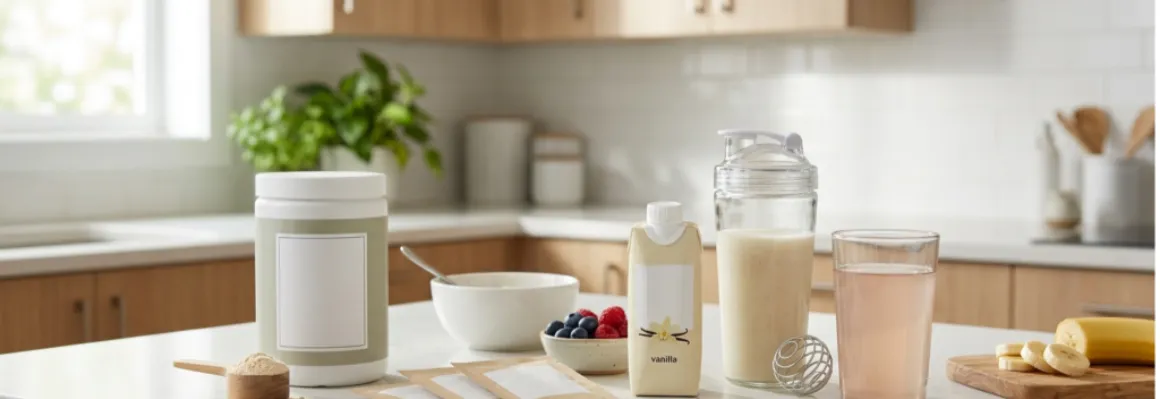
That is why flavor strategy should not be an afterthought. In this category, strong options often include:
If the scoop is too large, the RTD is too bulky, or the sachet feels like too much commitment, daily use drops. That is why women’s performance products often benefit from packaging formats that reflect real routines: single-serve sachets, compact canisters, slimmer RTDs, stick packs, and modular kits.
Packaging also influences positioning. A product can look clinical, lifestyle-oriented, premium, or intimidating before the consumer even reads the label. For active women balancing work, training, travel, and family life, the most successful packaging often signals convenience and confidence rather than extreme sports culture.
This matters because performance nutrition only works when people actually take it.
The brands that win this category will be the ones that combine physiology, practical consumer insight, and formulation discipline. They will understand that women’s performance nutrition is not niche anymore. It is simply better product design.
The next generation of products will not win because they are softer, prettier, or more “feminine.” They will win because they are smarter. They will respect protein needs without forcing oversized formats. They will treat creatine as a serious performance tool for women, not a male-coded supplement. They will handle iron and B vitamins with precision instead of hype. And they will use flavor, serving size, and packaging as part of the performance strategy, not just the branding.
That is how you create formulas that actually fit her life.
That is a good thing, because active women do not need smaller versions of men’s sports nutrition products. They need formulas designed around how they actually train, recover, eat, shop, and live. That means understanding protein needs, iron status, B-vitamin considerations, digestive tolerance, convenience preferences, flavor expectations, and the reality that energy, mood, and recovery are not static across the month. Research on female athletes and physically active women consistently shows that sex-specific needs exist, while also making clear that the evidence base still has gaps and that individualized planning matters. (OUP Academic)
For brands, this creates a major opportunity. The women’s sports nutrition market is no longer limited to “lean protein” or “weight management” positioning. Today’s consumer is looking for products that support strength, recovery, energy, and everyday performance in formats that feel practical rather than extreme. She may want protein that is easier to finish, creatine that feels approachable, hydration or micronutrients that address real fatigue concerns, and packaging that fits a gym bag, work tote, or desk drawer. That shift is commercial, but it is also technical. Better positioning starts with better formulation logic.
The mistake many brands still make is assuming women’s performance nutrition is mainly a branding exercise. It is not. It is a formulation exercise first. The strongest products in this category are the ones built around real physiological considerations and practical compliance, not just a more feminine label.
Why Women’s Performance Nutrition Needs a Different Formulation Mindset
At the foundation, the goals are not radically different from sports nutrition overall: support training, recovery, body composition, strength, and consistency. But the way those goals show up in product design often is different.Women are more likely to face iron-related challenges because of menstrual blood loss, and iron deficiency remains common in female athletes and active women. Public health and sports nutrition sources both highlight iron as a key monitoring point, especially when fatigue, heavy training, or restrictive eating patterns are part of the picture. (Office of Dietary Supplements)
Protein matters just as much for women as it does for men, but the product format, serving style, and usage moment often need to be rethought. Practical sports nutrition guidance for female athletes points toward consistent daily intake and even distribution across the day, rather than treating protein as a giant post-workout event only. One sports nutrition review aimed at female athletes recommends centering total intake around roughly 1.4 to 1.6 g/kg/day and spacing protein every 3 to 4 hours as a practical strategy. (Gatorade Sports Science Institute)
There is also a behavior gap that matters commercially. Many active women are not avoiding performance products because they do not care about results. They avoid them because the products feel too large, too heavy, too sweet, too “hardcore,” too inconvenient, or too disconnected from daily life. So the winning formula is not just physiologically relevant. It is also usable.
Protein Formulas for Women: Bigger Is Not Always Better
A lot of sports nutrition still assumes that “more per scoop” is always the clearest value signal. In women’s performance nutrition, that can backfire.Yes, protein needs are real. Female athletes and active women benefit from adequate total daily protein and protein distribution to support recovery, adaptation, and performance. But that does not automatically mean every woman wants a massive 40-gram shake in a thick, dessert-style format. Evidence-based guidance for female athletes emphasizes hitting total intake consistently, which opens the door to more flexible serving formats rather than one oversized dose. (Gatorade Sports Science Institute)
From a formulation standpoint, that changes everything. Instead of asking only, “How high can we push protein per serving?” better questions are:
- How much protein will she realistically finish?
- What texture feels light enough for daily use?
- Does she want a post-gym shake, a breakfast add-in, a clear protein option, or a convenient single-serve sachet?
- Will a 20 g serving with better compliance outperform a heavier 30 g serving that feels like a chore?
Iron: One of the Most Important but Most Mishandled Considerations
If a brand wants to sound credible in women’s performance nutrition, it cannot ignore iron.Iron supports oxygen transport, energy metabolism, muscle function, and other physiological processes, and low iron status can directly affect performance and how an athlete feels day to day. NIH’s Office of Dietary Supplements notes that iron is essential for oxygen transport through hemoglobin and myoglobin and for muscle metabolism and cellular function. Sports nutrition guidance also highlights that female athletes are a group at elevated risk of low iron status. (Office of Dietary Supplements)
But this is also where brands can get careless. Adding iron to a formula is not automatically smart. Iron can create taste issues, interact with other ingredients, complicate stability, and raise tolerability questions depending on the dose and format. A protein powder with iron sounds useful until metallic taste, color changes, or gastrointestinal complaints start hurting repeat purchase.
That is why serious formulation teams separate two questions:
- Does this consumer segment need iron support?
- And is this the right product format to deliver it?
B Vitamins: Important, but Easy to Overhype
B vitamins are another category where smart brands can either build trust or lose it.Vitamin B12 and folate are essential nutrients, and folic acid is especially important for women who could become pregnant. But official sources also make clear that B12 does not provide extra energy or athletic performance benefits in people who are already getting enough from their diet. That point matters because “energy” claims around B vitamins are often exaggerated in marketing. (Office of Dietary Supplements)
For formulation, the lesson is straightforward. B vitamins can absolutely play a useful role in women’s performance products, especially where dietary gaps, plant-based diets, or broader women’s wellness positioning are relevant. But they should be used as part of a thoughtful nutrient system, not as a shortcut to making a formula sound more energizing than it really is.
This is especially relevant in vegan or plant-forward performance products. Women choosing plant-based proteins may have greater interest in B12 fortification, and folate positioning can be relevant for broader women’s health support depending on the product concept. Still, the messaging needs to stay grounded. The right angle is nutritional support, not magic energy.
Creatine for Women: The Market Is Ready, but the Messaging Needs Work
Creatine is one of the biggest missed opportunities in women’s performance nutrition.The sports nutrition world has known for years that creatine is one of the most studied and effective supplements for supporting strength and high-intensity performance. More recent female-focused reviews suggest creatine is promising for active women as well, but they also note that female-specific research is still smaller than the male literature. A 2024 systematic review concluded that more high-quality female-specific research is still needed, even though the overall evidence is encouraging. (MDPI)
That nuance matters. The right commercial takeaway is not “creatine is unproven for women.” It is “creatine belongs in women’s performance nutrition, but brands should position it with clarity rather than hype.” ISSN’s position materials continue to describe creatine as safe and effective for exercise, sport, and health contexts, and sports dietitians commonly point to 3–5 g/day as a practical ongoing dose in many use cases. (Springer)
From a product development standpoint, women’s creatine products often fail because they are marketed too aggressively or designed too narrowly. Some lean too hard into “bulk” language that turns off consumers who actually want strength, recovery, and performance support. Others bury creatine in underdosed blends that do not deliver a meaningful serving.
A better approach is to normalize creatine within women’s routines. That can mean:
- standalone creatine in a clean, approachable format
- protein + creatine powders with realistic scoop sizes
- daily strength blends positioned around performance, not bodybuilder culture
- life-stage-aware products for active women who care about training, recovery, and consistency
“Hormone-Friendly” Should Mean Supportive, Not Sensational
The phrase “hormone-friendly” can be useful in women’s performance nutrition, but it needs discipline.It should not imply that a product can medically “balance hormones” in a broad, vague, or therapeutic way. That is where brands get sloppy. A more credible use of the term is to signal that the formula is designed with female physiology, cycle awareness, and practical tolerance in mind.
That means thinking about issues like energy fluctuations, appetite shifts, recovery support, hydration, and micronutrient considerations across different life contexts. It also means respecting the fact that menstrual-cycle research is more nuanced than social media often suggests. Reviews and practitioner resources acknowledge that some women notice changes in appetite, energy, cravings, or tolerance across the cycle, but individualized response matters and many cycle-based nutrition strategies remain more practical than definitively proven. (ACSM)
For brands, the implication is simple: cycle-aware formulas can be smart, but they should be marketed carefully. The strongest concepts are supportive rather than overpromising.
Menstrual-Cycle-Aware Product Concepts That Actually Make Sense
This is where formulation expertise becomes commercially powerful.A menstrual-cycle-aware product line does not need to promise radically different physiology every week. It just needs to recognize that some active women want products that better match how they feel and function across the month.
Here are a few examples of concepts that make sense:
1. Strength + Recovery Daily Protein
A core protein formula with practical protein levels, digestibility support, and a lighter sensory profile can serve as the anchor product. This is the everyday performance SKU, designed for consistency rather than intensity.2. Strength + Energy + Mood Stack
This is where women’s-specific differentiation becomes real. A stack like this could pair protein support with selected micronutrients and performance-support ingredients in a format that fits busy routines. The smarter version would not try to do everything in one scoop. It might use a modular system: protein powder plus a daily stick or capsule add-on.3. Creatine + Performance Essentials
A simplified women’s creatine product can reduce consumer hesitation. Instead of overcomplicated blends, brands can focus on meaningful creatine dosing, clean flavor, and easy daily use.4. Cycle-Aware Convenience Packs
Rather than changing formulas dramatically, a brand could create usage-based packs that support different priorities at different times: recovery-focused, energy-focused, or hydration-focused. That feels useful without pretending the menstrual cycle can be micromanaged by one miracle formula.The point is not novelty for novelty’s sake. It is to build products that feel thoughtfully designed.
Flavor Matters More Than Many Brands Think
Women’s performance nutrition is full of products with good intentions and poor repeat purchase.One of the biggest reasons is flavor. A technically solid formula will still struggle if it is too thick, too sweet, too milky, too artificial, or too large to finish. This is especially important in women-focused products, where the buying decision is often less about “maximum macro payload” and more about whether the product can realistically fit into a full day.
That is why flavor strategy should not be an afterthought. In this category, strong options often include:
- lighter vanilla and milk tea directions instead of heavy dessert profiles
- fruit-driven clear protein formats
- lower sweetness intensity
- smaller serving systems that reduce flavor fatigue
- RTD sizes that feel approachable rather than oversized
Serving Size and Packaging Are Part of Performance
Serving size is not just a labeling decision. It is a compliance decision.If the scoop is too large, the RTD is too bulky, or the sachet feels like too much commitment, daily use drops. That is why women’s performance products often benefit from packaging formats that reflect real routines: single-serve sachets, compact canisters, slimmer RTDs, stick packs, and modular kits.
Packaging also influences positioning. A product can look clinical, lifestyle-oriented, premium, or intimidating before the consumer even reads the label. For active women balancing work, training, travel, and family life, the most successful packaging often signals convenience and confidence rather than extreme sports culture.
This matters because performance nutrition only works when people actually take it.
What Serious Manufacturers Do Differently
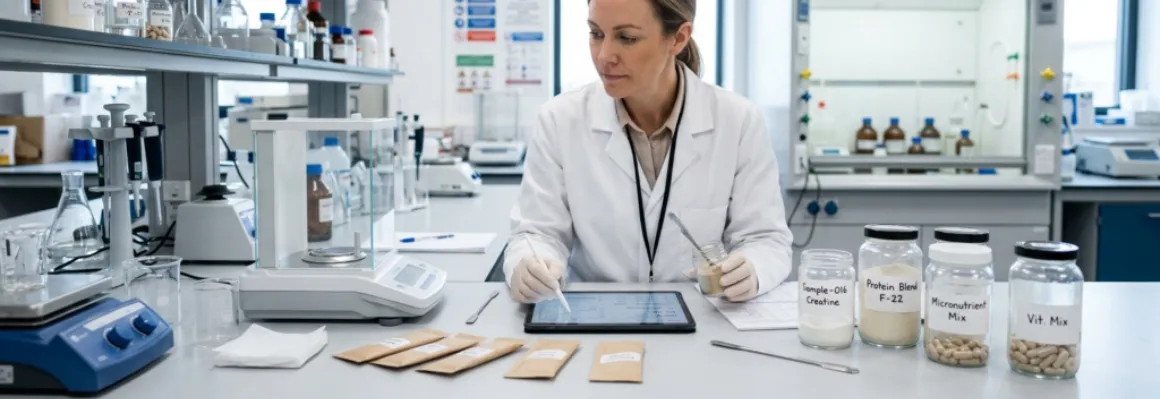
A serious manufacturer building women’s performance products does not start with colors, slogans, or trend reports. It starts with use cases.- Who is the product for?
- What need is it solving?
- What format fits her day?
- Which nutrients deserve dedicated space, and which should be separated into another SKU?
- What can be claimed responsibly?
- How can flavor, serving size, and packaging increase compliance instead of reducing it?
The brands that win this category will be the ones that combine physiology, practical consumer insight, and formulation discipline. They will understand that women’s performance nutrition is not niche anymore. It is simply better product design.
Final Thoughts
Women’s performance nutrition is growing up.The next generation of products will not win because they are softer, prettier, or more “feminine.” They will win because they are smarter. They will respect protein needs without forcing oversized formats. They will treat creatine as a serious performance tool for women, not a male-coded supplement. They will handle iron and B vitamins with precision instead of hype. And they will use flavor, serving size, and packaging as part of the performance strategy, not just the branding.
That is how you create formulas that actually fit her life.
Are you developing a new product?
Let's connect! We'd be happy to learn more about your project and discuss how our ingredients can help improve your product's quality, functionality, and market appeal. Reach out to us—we'd love to be part of your innovation journey.