














Blog
29.Jun.2026
Functional Beverage Ingredients: A B2B Guide for Health Brands Developing Modern Nutrition Drinks
Functional beverages are no longer limited to energy drinks, sports drinks, or basic vitamin waters. Today, beverage brands, supplement companies, and food manufacturers are exploring new product concepts that combine convenience, nutrition, taste, and lifestyle positioning in one format.
For B2B health brands, this creates a major opportunity. Consumers want products that fit daily routines. They want drinks that are easy to consume, enjoyable, portable, and aligned with wellness goals. This has opened the door for functional beverage ingredients such as protein, collagen, postbiotics, probiotics, prebiotics, fibers, minerals, botanical extracts, amino acids, electrolytes, fermented ingredients, and specialty nutraceutical compounds.

However, developing a successful functional beverage is not as simple as adding an active ingredient into water. Beverage formulation requires a careful balance between ingredient selection, taste, solubility, stability, texture, processing, packaging, shelf life, cost, and market positioning.
A strong ingredient may work well in capsules but perform poorly in a drink. A powder ingredient may be nutritionally attractive but create sedimentation, bitterness, clumping, or color changes. A concept may sound exciting from a marketing perspective, but it still needs to be practical for manufacturing and compliant for the target market.
This guide explains how B2B brands can approach functional beverage ingredient selection, what formulation factors to consider, which product concepts are gaining attention, and how to build a beverage idea that is both marketable and production-ready.
In the B2B nutraceutical and food industry, functional beverages can include:
For brands, beverages also create strong differentiation opportunities. A capsule product may look similar to many competitors on the shelf, while a beverage can stand out through flavor, texture, packaging, usage occasion, and lifestyle branding.
However, the beverage format also adds complexity. Taste becomes more important. Ingredient solubility matters. Color and appearance matter. Shelf life matters. Processing conditions matter. Packaging matters. The formula must work not only nutritionally, but also sensorially and commercially.
That is why B2B brands should treat functional beverages as a product development project, not just an ingredient project.
First, they are convenient. A drink is easy to integrate into daily life. It can be consumed at work, after exercise, during travel, or as part of a morning or evening routine.
Second, they are experience-driven. Unlike capsules or tablets, beverages allow brands to create flavor, color, mouthfeel, and packaging experiences. This can make the product more memorable and easier to position.
Third, they can support premium branding. Functional drinks can be positioned around specific occasions, such as morning energy, post-workout recovery, beauty routines, digestive wellness, hydration, or relaxation.
Fourth, they are flexible. The same ingredient category can be used in multiple beverage formats. For example, collagen can be developed as a ready-to-drink beauty beverage, a powder sachet, a sparkling drink concept, or a stick pack. Protein can be used in shakes, clear protein drinks, meal support beverages, or sports recovery formulas.
Fifth, they can help supplement brands expand beyond capsules. Many brands start with capsules or tablets, but beverages can help them reach different consumer preferences and retail channels.
For distributors and importers, functional beverages can also create stronger shelf appeal. A drink format may be easier to explain to certain customers than a technical ingredient capsule. For functional food brands, beverage products can create a bridge between traditional food and nutraceutical positioning.
Still, brands need to be realistic. Functional beverages are not always easier to develop. They often require more attention to formulation, taste, stability, and packaging compared with capsules.
The opportunity is strong, but execution matters.
Possible applications include:
Possible applications include:
Possible applications include:
Possible applications include:
Possible applications include:
Possible applications include:
For functional beverages, protein can be used in several ways.
Common challenges include:
RTD protein drinks may be suitable for brands targeting convenience channels, gyms, retail stores, e-commerce, or lifestyle nutrition.
For B2B brands, the key question is not only “which protein is best?” The better question is:
“Which protein format best matches our target consumer, taste profile, production process, and market positioning?”
For beverage brands, collagen offers several advantages. It can fit beauty, healthy aging, active lifestyle, and premium wellness positioning. It can be combined with ingredients such as vitamin C, hyaluronic acid, elastin peptides, minerals, or botanical ingredients depending on the target market and claim framework.
However, collagen beverage formulation needs careful attention.
Marine collagen is often used in premium beauty-from-within positioning. Bovine collagen may be used in broader nutrition or joint-related product concepts depending on market direction. Brands should also consider religious, cultural, and regional preferences when choosing collagen source.
Citrus, berry, peach, lychee, tropical fruit, and tea-inspired flavors are often considered in beauty beverage concepts, but the final choice depends on the ingredient profile and target market.
However, microbiome beverage development requires careful ingredient selection.
For powder sachets, probiotics may be more manageable, but brands still need to review strain stability, packaging, storage conditions, and overage requirements.
Postbiotic positioning can be useful for brands developing microbiome-focused products where storage, heat, or shelf-life stability are important concerns.
Fiber beverages must balance function, mouthfeel, and consumer experience.
Formats may include:
For B2B brands, microbiome beverage development should start with the intended format. A probiotic capsule, postbiotic sachet, fiber drink, and kombucha-inspired RTD may all fit under gut health positioning, but they require very different formulation strategies.
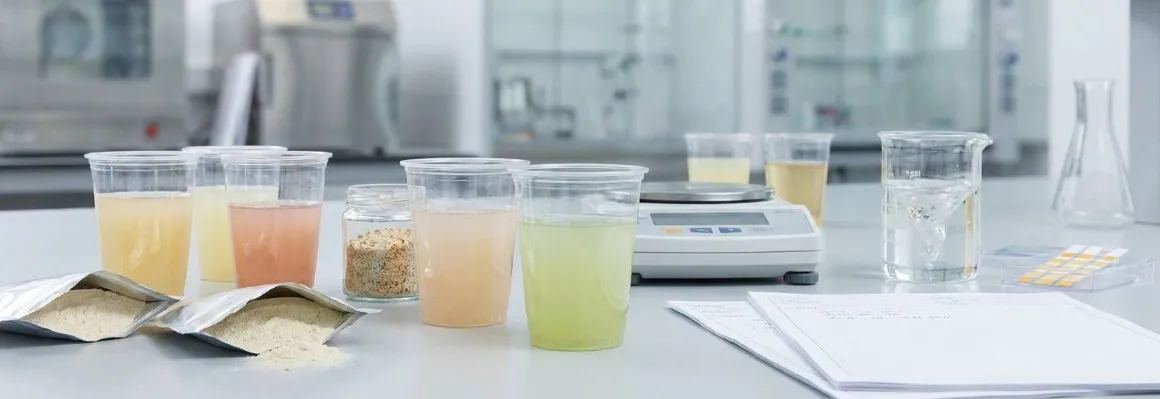
Common ingredients may include:
However, botanical beverage development can be difficult.
Common challenges include:
Plant-based beverage concepts may include:
However, marine ingredients can be challenging in beverage formats.
Here are the most common formulation challenges.
Ingredients such as protein, collagen, minerals, botanicals, fibers, and marine compounds can create off-notes. Flavor masking and sweetener balance are important.
Both formats have advantages.
Advantages:
Advantages:
Choose RTD if:
Possible format: Powder sachet or RTD
Ingredient direction: Collagen, vitamin C, hyaluronic acid, minerals, fruit flavors
Positioning: Beauty-from-within, daily beauty routine, premium wellness
Possible format: Stick pack or sachet
Ingredient direction: Postbiotics, prebiotics, fiber, fermented ingredients
Positioning: Microbiome-focused daily nutrition
Possible format: Sachet, tub, or stick pack
Ingredient direction: Sodium, potassium, magnesium, vitamin support, natural flavors
Positioning: Hydration, sports, daily active lifestyle
Possible format: Powder or RTD
Ingredient direction: Pea protein, plant protein blends, fiber, minerals
Positioning: Plant-based nutrition, active lifestyle, meal support
Possible format: RTD, concentrate, powder, or sparkling drink
Ingredient direction: Kombucha powder, fermented beverage base, organic acids, tea flavors
Positioning: Fermentation-inspired daily beverage
Possible format: Powder sachet or RTD
Ingredient direction: Iron, collagen, soy isoflavones, minerals, vitamins, botanical ingredients
Positioning: Women’s daily wellness and nutrition support
Possible format: Powder sachet or RTD
Ingredient direction: Magnesium, amino acids, botanical extracts, calming flavors
Positioning: Evening routine and relaxation-focused beverage
Possible format: Powder or RTD
Ingredient direction: Protein, collagen, minerals, vitamins, omega-related ingredients where suitable
Positioning: Daily nutrition and active aging
Possible format: Powder sachet
Ingredient direction: Algal DHA powder, vitamins, minerals, fruit flavor systems
Positioning: Plant-based marine nutrition and family wellness
Possible format: Tea bag, powder, or RTD
Ingredient direction: Tea extracts, fermented ingredients, botanical blends, vitamins
Positioning: Daily wellness, refreshing functional drink
The best product concept should match the brand’s target market, price point, regulatory environment, and manufacturing feasibility.
Important documents may include:
Claims are especially important. Functional beverages should avoid wording that implies disease prevention, treatment, cure, or guaranteed physiological change unless specifically permitted under the relevant regulatory framework.
Instead of building the product around risky claims, brands should focus on:
Brands should evaluate whether the partner can support:
The best partner helps brands make better decisions before production begins.
Champion’s capabilities are relevant for brands exploring powder beverages, sachets, liquid supplements, RTD concepts, kombucha-related products, protein drinks, collagen beverages, gut health concepts, functional food applications, and private-label nutrition products.
For functional beverage brands, Champion can support:
For example, a brand developing a collagen beauty drink may need support with collagen sourcing, flavor direction, sachet format, packaging, and documentation. A gut health beverage brand may need help choosing between probiotics, postbiotics, prebiotics, or fermented ingredients. A functional beverage company entering Southeast Asia may need halal-aware planning and localized product development. A sports nutrition brand may need protein, electrolyte, or recovery-focused beverage formats.
Champion’s B2B model allows brands to explore these opportunities with integrated support from concept to production planning.
But successful functional beverage development requires more than adding active ingredients into a drink. Brands must consider ingredient suitability, flavor, solubility, stability, texture, packaging, processing, documentation, cost, and compliance.
The strongest products usually begin with a clear strategy. Brands should define the target consumer, usage occasion, product format, ingredient direction, price point, and target market before moving into formulation.
Whether the concept is a collagen beauty drink, postbiotic gut health sachet, protein beverage, electrolyte powder, kombucha-inspired product, women’s wellness drink, or healthy aging formula, the development process should connect market demand with technical feasibility.
Champion supports B2B brands with ingredient sourcing, functional beverage formulation, OEM/ODM development, private label solutions, packaging support, and market-oriented product planning.
For B2B health brands, this creates a major opportunity. Consumers want products that fit daily routines. They want drinks that are easy to consume, enjoyable, portable, and aligned with wellness goals. This has opened the door for functional beverage ingredients such as protein, collagen, postbiotics, probiotics, prebiotics, fibers, minerals, botanical extracts, amino acids, electrolytes, fermented ingredients, and specialty nutraceutical compounds.
However, developing a successful functional beverage is not as simple as adding an active ingredient into water. Beverage formulation requires a careful balance between ingredient selection, taste, solubility, stability, texture, processing, packaging, shelf life, cost, and market positioning.
A strong ingredient may work well in capsules but perform poorly in a drink. A powder ingredient may be nutritionally attractive but create sedimentation, bitterness, clumping, or color changes. A concept may sound exciting from a marketing perspective, but it still needs to be practical for manufacturing and compliant for the target market.
This guide explains how B2B brands can approach functional beverage ingredient selection, what formulation factors to consider, which product concepts are gaining attention, and how to build a beverage idea that is both marketable and production-ready.
Table of Contents
- What Are Functional Beverages?
- Why Functional Beverages Are Attractive for B2B Brands
- Functional Beverage Ingredients by Category
- Protein Ingredients for Functional Beverages
- Collagen Ingredients for Beauty and Healthy Aging Drinks
- Microbiome Ingredients: Probiotics, Postbiotics, Prebiotics, and Fermented Ingredients
- Mineral and Electrolyte Ingredients
- Botanical and Plant-Based Ingredients
- Marine and Omega-Based Beverage Concepts
- Key Formulation Challenges in Functional Beverages
- Ready-to-Drink vs Powder Beverage Formats
- Functional Beverage Product Concept Ideas
- Quality, Documentation, and Compliance Considerations
- How to Choose a Functional Beverage Development Partner
- How Champion Supports Functional Beverage Brands
- Frequently Asked Questions
- Conclusion
What Are Functional Beverages?
Functional beverages are drinks designed to offer more than basic hydration or refreshment. They usually contain ingredients associated with wellness positioning, nutrition support, performance, beauty, gut health, relaxation, energy, or healthy aging.In the B2B nutraceutical and food industry, functional beverages can include:
- Ready-to-drink wellness beverages
- Powder sachets mixed with water
- Protein drinks
- Collagen drinks
- Electrolyte beverages
- Fermented beverage concepts
- Kombucha-style products
- Fiber drinks
- Beauty-from-within drinks
- Gut health beverages
- Sports recovery drinks
- Plant-based nutrition drinks
- Women’s wellness beverages
- Healthy aging beverage concepts
For brands, beverages also create strong differentiation opportunities. A capsule product may look similar to many competitors on the shelf, while a beverage can stand out through flavor, texture, packaging, usage occasion, and lifestyle branding.
However, the beverage format also adds complexity. Taste becomes more important. Ingredient solubility matters. Color and appearance matter. Shelf life matters. Processing conditions matter. Packaging matters. The formula must work not only nutritionally, but also sensorially and commercially.
That is why B2B brands should treat functional beverages as a product development project, not just an ingredient project.
Why Functional Beverages Are Attractive for B2B Brands
Functional beverages are attractive because they meet several market needs at the same time.First, they are convenient. A drink is easy to integrate into daily life. It can be consumed at work, after exercise, during travel, or as part of a morning or evening routine.
Second, they are experience-driven. Unlike capsules or tablets, beverages allow brands to create flavor, color, mouthfeel, and packaging experiences. This can make the product more memorable and easier to position.
Third, they can support premium branding. Functional drinks can be positioned around specific occasions, such as morning energy, post-workout recovery, beauty routines, digestive wellness, hydration, or relaxation.
Fourth, they are flexible. The same ingredient category can be used in multiple beverage formats. For example, collagen can be developed as a ready-to-drink beauty beverage, a powder sachet, a sparkling drink concept, or a stick pack. Protein can be used in shakes, clear protein drinks, meal support beverages, or sports recovery formulas.
Fifth, they can help supplement brands expand beyond capsules. Many brands start with capsules or tablets, but beverages can help them reach different consumer preferences and retail channels.
For distributors and importers, functional beverages can also create stronger shelf appeal. A drink format may be easier to explain to certain customers than a technical ingredient capsule. For functional food brands, beverage products can create a bridge between traditional food and nutraceutical positioning.
Still, brands need to be realistic. Functional beverages are not always easier to develop. They often require more attention to formulation, taste, stability, and packaging compared with capsules.
The opportunity is strong, but execution matters.
Functional Beverage Ingredients by Category
Functional beverage ingredients can be grouped by the type of product positioning they support.1. Protein and Amino Acid Ingredients
Protein ingredients are commonly used for sports nutrition, meal support, active lifestyle, and healthy aging product concepts.Possible applications include:
- Protein powders
- Ready-to-drink protein shakes
- Clear protein beverages
- Plant-based protein drinks
- Recovery beverages
- High-protein functional snacks and drinks
2. Collagen and Beauty Ingredients
Collagen is widely used in beauty-from-within and healthy aging beverage concepts. It is especially popular in powders, sachets, ready-to-drink bottles, and stick packs.Possible applications include:
- Collagen beauty drinks
- Collagen sachets
- Marine collagen beverage powders
- Beauty hydration drinks
- Collagen plus vitamin or mineral blends
3. Microbiome and Fermented Ingredients
Gut health remains an important product direction. Functional beverage concepts may use probiotics, postbiotics, prebiotics, fibers, or fermented ingredients.Possible applications include:
- Gut health drinks
- Postbiotic beverage powders
- Fiber drinks
- Kombucha-inspired beverages
- Fermented beverage bases
- Daily digestive wellness concepts
4. Electrolytes and Mineral Ingredients
Electrolytes and minerals are often used in hydration, sports, active lifestyle, and daily wellness products.Possible applications include:
- Electrolyte hydration drinks
- Sports recovery beverages
- Mineral sachets
- Magnesium drink powders
- Women’s wellness mineral drinks
- Healthy aging mineral concepts
5. Botanical and Plant-Based Ingredients
Botanical extracts, plant powders, and natural ingredients can support lifestyle positioning and clean-label product concepts.Possible applications include:
- Plant-based wellness drinks
- Relaxation beverage concepts
- Energy and focus drinks
- Antioxidant-positioned drinks
- Herbal-inspired functional beverages
6. Marine and Specialty Nutraceutical Ingredients
Marine ingredients such as algal DHA, fish oil, krill-related ingredients, or marine minerals can support premium nutrition concepts, but they can be more challenging in beverage applications.Possible applications include:
- DHA beverage concepts
- Healthy aging nutrition drinks
- Prenatal nutrition drink concepts
- Marine mineral beverage powders
- Premium omega-positioned products
Protein Ingredients for Functional Beverages
Protein remains one of the strongest categories in functional nutrition. It has applications across sports nutrition, weight management positioning, healthy aging, active lifestyle, and daily nutrition.For functional beverages, protein can be used in several ways.
Protein Powder Drinks
This is one of the most common formats. Brands can develop flavored powder products that consumers mix with water, milk, or plant-based beverages. This format allows higher protein serving sizes and more flexibility with flavor systems.Common challenges include:
- Texture
- Solubility
- Foaming
- Clumping
- Flavor masking
- Sweetness balance
- Mouthfeel
Ready-to-Drink Protein Beverages
Ready-to-drink protein products offer convenience, but they require more advanced formulation and processing review. Heat treatment, shelf life, protein stability, viscosity, and packaging compatibility must be carefully considered.RTD protein drinks may be suitable for brands targeting convenience channels, gyms, retail stores, e-commerce, or lifestyle nutrition.
Clear Protein Beverages
Clear protein drinks are gaining interest because they offer a lighter alternative to creamy protein shakes. However, ingredient selection and flavor development become especially important. Not all protein ingredients are suitable for clear beverage applications.Protein Plus Functional Ingredients
Brands may also combine protein with other ingredients, such as collagen, fiber, vitamins, minerals, amino acids, electrolytes, or postbiotics. This can help create more differentiated product concepts, but it also increases formulation complexity.For B2B brands, the key question is not only “which protein is best?” The better question is:
“Which protein format best matches our target consumer, taste profile, production process, and market positioning?”
Collagen Ingredients for Beauty and Healthy Aging Drinks
Collagen is one of the most popular ingredients in beauty-from-within products. It is commonly used in powders, sachets, ready-to-drink bottles, and functional beverages.For beverage brands, collagen offers several advantages. It can fit beauty, healthy aging, active lifestyle, and premium wellness positioning. It can be combined with ingredients such as vitamin C, hyaluronic acid, elastin peptides, minerals, or botanical ingredients depending on the target market and claim framework.
However, collagen beverage formulation needs careful attention.
Source and Positioning
Collagen ingredients may come from marine, bovine, porcine, or other sources. The source can affect brand positioning, market acceptance, dietary suitability, taste, and documentation needs.Marine collagen is often used in premium beauty-from-within positioning. Bovine collagen may be used in broader nutrition or joint-related product concepts depending on market direction. Brands should also consider religious, cultural, and regional preferences when choosing collagen source.
Taste and Odor
Collagen can have a noticeable taste or odor, especially in beverage formats. Flavor systems must be developed carefully to create a pleasant consumer experience.Citrus, berry, peach, lychee, tropical fruit, and tea-inspired flavors are often considered in beauty beverage concepts, but the final choice depends on the ingredient profile and target market.
Solubility and Clarity
Some collagen ingredients dissolve better than others. Solubility is important for powder sachets and clear drinks. If the product creates clumps, sediment, or unpleasant texture, repeat purchase may be affected.Serving Size
Collagen often requires a larger serving size than capsule products can conveniently provide. This is one reason powders and beverages are attractive for collagen formulas. However, larger serving sizes also create stronger taste and cost considerations.Product Concept Opportunities
Collagen beverage concepts may include:- Daily beauty drink
- Marine collagen sachet
- Collagen plus vitamin C powder
- Collagen hydration drink
- Collagen and mineral beauty formula
- Collagen tea-style beverage
- Collagen sparkling drink concept
Microbiome Ingredients: Probiotics, Postbiotics, Prebiotics, and Fermented Ingredients
Gut health has become a major category in nutraceuticals and functional foods. In beverages, microbiome-related concepts can be especially attractive because they feel close to daily consumption habits.However, microbiome beverage development requires careful ingredient selection.
Probiotics
Probiotics are live microorganisms, so stability is a key issue. Heat, moisture, acidity, oxygen, and shelf-life conditions can affect viability. This makes probiotics more complex in some beverage formats, especially ready-to-drink products.For powder sachets, probiotics may be more manageable, but brands still need to review strain stability, packaging, storage conditions, and overage requirements.
Postbiotics
Postbiotics are gaining attention because they can offer stability advantages compared with many live probiotic formats. For beverage brands, this may make postbiotics attractive in powders, sachets, tablets, and certain functional food or drink applications.Postbiotic positioning can be useful for brands developing microbiome-focused products where storage, heat, or shelf-life stability are important concerns.
Prebiotics and Fibers
Prebiotics and dietary fibers can be used in gut health, satiety-positioned, daily wellness, and functional beverage products. However, fiber type matters. Some fibers may affect texture, sweetness, viscosity, or digestive tolerance.Fiber beverages must balance function, mouthfeel, and consumer experience.
Fermented Ingredients and Kombucha Concepts
Fermented ingredients and kombucha-inspired products can create strong differentiation because they connect with consumer interest in fermentation, natural processes, and gut health positioning.Formats may include:
- Kombucha powder
- Kombucha-style beverage base
- Fermented drink concentrates
- Powder sachets
- Sparkling beverage concepts
- Functional beverage blends
For B2B brands, microbiome beverage development should start with the intended format. A probiotic capsule, postbiotic sachet, fiber drink, and kombucha-inspired RTD may all fit under gut health positioning, but they require very different formulation strategies.
Mineral and Electrolyte Ingredients
Minerals and electrolytes are commonly used in sports, hydration, women’s health, healthy aging, and daily wellness beverages.Common ingredients may include:
- Magnesium
- Calcium
- Zinc
- Iron
- Sodium
- Potassium
- Chloride
- Trace minerals
- Mineral chelates
Taste
Many minerals have a noticeable metallic, bitter, salty, or chalky taste. This makes flavor masking important. The mineral form can strongly affect taste and consumer experience.Solubility
Some mineral forms dissolve better than others. Poor solubility can create sediment, cloudy appearance, or inconsistent serving.Compatibility
Minerals may interact with other ingredients. They may affect color, stability, taste, or texture. When minerals are combined with vitamins, fibers, proteins, or botanical extracts, compatibility should be reviewed.Positioning
Mineral beverage concepts may include:- Electrolyte hydration powder
- Magnesium relaxation drink concept
- Women’s mineral support beverage
- Calcium plus vitamin D powder
- Sports mineral recovery drink
- Healthy aging mineral formula
Botanical and Plant-Based Ingredients
Botanical ingredients can help brands build natural, plant-forward, and lifestyle-driven beverage concepts. They can be used in relaxation, energy, beauty, antioxidant-positioned, digestive wellness, and daily health products.However, botanical beverage development can be difficult.
Common challenges include:
- Bitter taste
- Strong color
- Sedimentation
- Aroma intensity
- Solubility
- Regulatory status
- Ingredient standardization
- Interaction with other ingredients
- Consumer familiarity
Plant-based beverage concepts may include:
- Herbal wellness drink
- Green powder drink
- Plant-based beauty beverage
- Botanical relaxation drink
- Tea-inspired functional beverage
- Superfruit beverage concept
- Plant protein drink
Marine and Omega-Based Beverage Concepts
Marine ingredients such as algal DHA, fish oil, krill oil, and marine minerals are attractive for premium nutrition. They can support product concepts related to healthy aging, prenatal nutrition, brain wellness positioning, eye wellness positioning, and family nutrition, depending on local regulations and product direction.However, marine ingredients can be challenging in beverage formats.
Oxidation
Omega ingredients are sensitive to oxidation. This can affect taste, odor, and shelf life. Packaging, ingredient form, antioxidants, and processing conditions must be considered.Taste and Odor
Marine ingredients may create fishy or ocean-like notes if not properly handled. Taste masking and ingredient quality are critical.Emulsion Stability
Oil-based ingredients need special formulation support if used in beverage products. Emulsion quality, separation risk, and processing conditions must be reviewed.Ingredient Form
Some marine ingredients may be more suitable for capsules or softgels than beverages. Others may be available in powder or emulsion forms that support drink applications.Product Concept Fit
Marine-based beverage concepts may include:- Algal DHA powder drink concept
- Prenatal nutrition beverage concept
- Healthy aging drink
- Family nutrition powder
- Omega nutrition sachet
- Marine mineral beverage
Key Formulation Challenges in Functional Beverages
Functional beverages require attention to both ingredient performance and consumer experience.Here are the most common formulation challenges.
1. Taste
Taste is one of the biggest success factors. Consumers may buy a functional beverage once because of the benefit positioning, but repeat purchase often depends on taste.Ingredients such as protein, collagen, minerals, botanicals, fibers, and marine compounds can create off-notes. Flavor masking and sweetener balance are important.
2. Solubility
If ingredients do not dissolve properly, the product may clump, settle, or create a poor mouthfeel. This is especially important for powders and clear drinks.3. Stability
Stability includes ingredient stability, color stability, flavor stability, microbiological stability, and physical stability. A beverage must remain acceptable throughout its shelf life.4. Texture and Mouthfeel
Protein, fiber, collagen, and botanical powders can affect viscosity and mouthfeel. Some concepts require a light and refreshing texture, while others may allow a thicker nutrition shake profile.5. Color
Some ingredients affect color naturally. This can be useful for branding, but it can also create challenges if the color changes over time or does not match the flavor expectation.6. pH
Acidity affects taste, preservation, ingredient stability, and processing. Some ingredients are sensitive to low pH, while others perform well in acidic beverages.7. Processing Conditions
Heat, mixing, filling, and packaging processes can affect active ingredients. This is especially important for probiotics, proteins, vitamins, and sensitive botanical or marine ingredients.8. Packaging Compatibility
Packaging affects shelf life, convenience, and brand perception. Bottles, sachets, pouches, and cans all create different technical and commercial considerations.9. Cost
Functional beverage formulas can become expensive quickly. Brands must balance premium ingredients with target retail price, serving size, packaging cost, and channel margin.10. Claims and Compliance
The strongest marketing claim is not always the safest or most sustainable claim. Brands should build positioning around allowed wording, product category, ingredient facts, and market-specific compliance review.Ready-to-Drink vs Powder Beverage Formats
One major decision is whether to develop a ready-to-drink product or a powder beverage.Both formats have advantages.
Ready-to-Drink Functional Beverages
RTD products are convenient and highly marketable. They are ready for immediate consumption and can create strong shelf presence.Advantages:
- Convenient for consumers
- Strong lifestyle branding
- Good for retail channels
- Easy to sample
- Attractive packaging opportunities
- Suitable for daily routine positioning
- Higher packaging and logistics cost
- More complex stability requirements
- Heavier shipping
- Shorter shelf-life risk depending on formula
- Processing compatibility issues
- More demanding quality control
Powder Beverage Formats
Powder formats include sachets, stick packs, tubs, jars, and pouches. Consumers mix the product with water or another beverage.Advantages:
- Easier to ship
- Often more flexible for higher active serving sizes
- Good for collagen, protein, fiber, electrolytes, and postbiotics
- Convenient for sampling
- Good shelf stability when properly packaged
- Suitable for e-commerce
- Lower shipping weight than RTD
- Requires mixing
- Solubility and clumping must be managed
- Taste and texture still matter
- Packaging moisture control is important
- Consumer instructions must be clear
Which Format Should Brands Choose?
The best format depends on the product goal.Choose RTD if:
- Convenience is the main value
- The brand has strong retail or beverage distribution
- The formula is stable in liquid form
- Packaging experience is important
- The target consumer wants ready-to-consume products
- The formula requires higher active serving size
- The brand wants lower shipping weight
- The product is for e-commerce or export
- The brand wants sachets or stick packs
- Stability is easier in dry format
- The product is being tested before RTD development
Functional Beverage Product Concept Ideas
Here are several functional beverage concepts B2B brands can consider.1. Collagen Beauty Drink
Target audience: Beauty and wellness consumersPossible format: Powder sachet or RTD
Ingredient direction: Collagen, vitamin C, hyaluronic acid, minerals, fruit flavors
Positioning: Beauty-from-within, daily beauty routine, premium wellness
2. Postbiotic Gut Health Sachet
Target audience: Daily wellness consumersPossible format: Stick pack or sachet
Ingredient direction: Postbiotics, prebiotics, fiber, fermented ingredients
Positioning: Microbiome-focused daily nutrition
3. Electrolyte Hydration Powder
Target audience: Active lifestyle consumersPossible format: Sachet, tub, or stick pack
Ingredient direction: Sodium, potassium, magnesium, vitamin support, natural flavors
Positioning: Hydration, sports, daily active lifestyle
4. Plant Protein Beverage
Target audience: Fitness, vegan, and active nutrition consumersPossible format: Powder or RTD
Ingredient direction: Pea protein, plant protein blends, fiber, minerals
Positioning: Plant-based nutrition, active lifestyle, meal support
5. Kombucha-Inspired Functional Drink
Target audience: Functional beverage and gut health consumersPossible format: RTD, concentrate, powder, or sparkling drink
Ingredient direction: Kombucha powder, fermented beverage base, organic acids, tea flavors
Positioning: Fermentation-inspired daily beverage
6. Women’s Wellness Drink
Target audience: Women’s health and beauty consumersPossible format: Powder sachet or RTD
Ingredient direction: Iron, collagen, soy isoflavones, minerals, vitamins, botanical ingredients
Positioning: Women’s daily wellness and nutrition support
7. Relaxation Beverage Concept
Target audience: Busy professionals and evening routine consumersPossible format: Powder sachet or RTD
Ingredient direction: Magnesium, amino acids, botanical extracts, calming flavors
Positioning: Evening routine and relaxation-focused beverage
8. Healthy Aging Nutrition Drink
Target audience: Adults and healthy aging consumersPossible format: Powder or RTD
Ingredient direction: Protein, collagen, minerals, vitamins, omega-related ingredients where suitable
Positioning: Daily nutrition and active aging
9. Marine DHA Beverage Powder
Target audience: Premium nutrition consumersPossible format: Powder sachet
Ingredient direction: Algal DHA powder, vitamins, minerals, fruit flavor systems
Positioning: Plant-based marine nutrition and family wellness
10. Functional Tea Beverage
Target audience: Consumers who prefer lighter wellness formatsPossible format: Tea bag, powder, or RTD
Ingredient direction: Tea extracts, fermented ingredients, botanical blends, vitamins
Positioning: Daily wellness, refreshing functional drink
The best product concept should match the brand’s target market, price point, regulatory environment, and manufacturing feasibility.
Quality, Documentation, and Compliance Considerations
Functional beverage development requires strong documentation and quality review.Important documents may include:
- Ingredient specification sheets
- Certificates of analysis
- Allergen statements
- GMO statements where relevant
- Halal certificates where relevant
- Stability information
- Microbiological test reports
- Heavy metal test reports
- Packaging specifications
- Nutrition information support
- Finished product specifications
- Shelf-life support
- Manufacturing flow chart
- Label review support
Claims are especially important. Functional beverages should avoid wording that implies disease prevention, treatment, cure, or guaranteed physiological change unless specifically permitted under the relevant regulatory framework.
Instead of building the product around risky claims, brands should focus on:
- Ingredient quality
- Product format
- Usage occasion
- Taste experience
- Daily wellness positioning
- Consumer convenience
- Market trend alignment
- Documentation readiness
- Quality assurance
How to Choose a Functional Beverage Development Partner
Choosing the right development partner can make the difference between a product that is only interesting as a concept and a product that is ready for commercial launch.Brands should evaluate whether the partner can support:
- Ingredient sourcing
- Formula development
- Taste and sensory planning
- Dosage form selection
- Powder or RTD manufacturing
- Packaging selection
- Quality control
- Documentation
- Market-specific review
- Pilot production
- Scale-up
- Export support
- Do you have experience with functional beverage ingredients?
- Can you support both powder and liquid formats?
- What ingredients are suitable for our target positioning?
- Can you help with flavor development?
- What are the key stability concerns?
- What packaging options are available?
- What documents can you provide?
- What is the MOQ?
- Can you support pilot batches?
- How long does sample development take?
- Can you support halal or export requirements where relevant?
- What quality tests are recommended?
The best partner helps brands make better decisions before production begins.
How Champion Supports Functional Beverage Brands
Champion supports B2B brands that need more than ingredient sourcing. For functional beverage development, brands often need a partner that can connect ingredients, formulation, dosage format, packaging, quality, and market readiness into one practical development process.Champion’s capabilities are relevant for brands exploring powder beverages, sachets, liquid supplements, RTD concepts, kombucha-related products, protein drinks, collagen beverages, gut health concepts, functional food applications, and private-label nutrition products.
For functional beverage brands, Champion can support:
- Ingredient sourcing
- Functional food and beverage ingredient selection
- Custom formulation
- OEM/ODM product development
- Powder sachet development
- Liquid supplement development
- Kombucha-related ingredient solutions
- Protein and collagen beverage concepts
- Microbiome-focused formulas
- Packaging support
- Quality documentation
- Market-oriented product planning
For example, a brand developing a collagen beauty drink may need support with collagen sourcing, flavor direction, sachet format, packaging, and documentation. A gut health beverage brand may need help choosing between probiotics, postbiotics, prebiotics, or fermented ingredients. A functional beverage company entering Southeast Asia may need halal-aware planning and localized product development. A sports nutrition brand may need protein, electrolyte, or recovery-focused beverage formats.
Champion’s B2B model allows brands to explore these opportunities with integrated support from concept to production planning.
Frequently Asked Questions
1. What are functional beverage ingredients?
Functional beverage ingredients are ingredients used to create drinks with nutrition, wellness, or lifestyle positioning. Examples include protein, collagen, postbiotics, probiotics, prebiotics, fiber, vitamins, minerals, electrolytes, botanical extracts, fermented ingredients, amino acids, and specialty nutraceutical ingredients.2. What is the best format for a functional beverage?
The best format depends on the product concept. Ready-to-drink beverages are convenient and retail-friendly, while powder sachets are often easier to ship, more flexible for higher active serving sizes, and useful for e-commerce or export. Brands should choose the format based on ingredient stability, target consumer, packaging, cost, and distribution channel.3. Can collagen be used in functional beverages?
Yes, collagen is commonly used in beauty-from-within drinks, powder sachets, and wellness beverage concepts. However, brands should consider collagen source, taste, odor, solubility, serving size, and compatibility with flavors or other ingredients.4. Are postbiotics suitable for beverage products?
Postbiotics can be suitable for certain beverage formats, especially powders and sachets, because they may offer stability advantages compared with many live probiotic formats. The final suitability depends on ingredient specifications, processing conditions, packaging, and product positioning.5. What are the main challenges in functional beverage formulation?
Common challenges include taste, solubility, stability, texture, color, pH, processing conditions, packaging compatibility, cost, and compliance. Beverage products require more sensory and stability planning than many capsule or tablet products.6. What documents should brands request for functional beverage development?
Brands may request ingredient specifications, COAs, allergen statements, GMO statements where relevant, halal certificates where relevant, stability information, microbiological reports, heavy metal reports, packaging specifications, finished product specifications, and shelf-life support.7. Can functional beverages be developed as private-label products?
Yes, functional beverages can be developed as private-label, white-label, OEM, ODM, or custom formulation products. The right model depends on how much customization the brand needs, the target launch timeline, and the desired level of differentiation.8. How can brands reduce risk before launching a functional beverage?
Brands can reduce risk by starting with a clear product brief, choosing ingredients suitable for the intended format, developing samples, testing taste and solubility, reviewing packaging early, confirming documentation needs, and checking market-specific compliance before full production.Conclusion
Functional beverages are one of the most attractive product opportunities for modern health, wellness, nutrition, and functional food brands. They combine convenience, taste, lifestyle positioning, and nutrition in a format that consumers can easily include in daily routines.But successful functional beverage development requires more than adding active ingredients into a drink. Brands must consider ingredient suitability, flavor, solubility, stability, texture, packaging, processing, documentation, cost, and compliance.
The strongest products usually begin with a clear strategy. Brands should define the target consumer, usage occasion, product format, ingredient direction, price point, and target market before moving into formulation.
Whether the concept is a collagen beauty drink, postbiotic gut health sachet, protein beverage, electrolyte powder, kombucha-inspired product, women’s wellness drink, or healthy aging formula, the development process should connect market demand with technical feasibility.
Champion supports B2B brands with ingredient sourcing, functional beverage formulation, OEM/ODM development, private label solutions, packaging support, and market-oriented product planning.
Ready to develop a functional beverage product?
Contact Champion to explore ingredient solutions, formulation support, and manufacturing options for your next market-ready concept.