














Blog
22.Dec.2025
Thailand’s Unique Clean Label Movement: What Sets It Apart

Introduction
Thailand is emerging as a leader in Asia for clean label supplements, standing out with consumer values and regulatory drivers that are reshaping the entire wellness market. Thai buyers aren’t just following a global trend—they’re elevating it with strong expectations for transparency, plant-based purity, sustainability, and authenticity. As the market heads toward $4.4 billion by 2030, brands operating in Thailand must adapt to uniquely local demands—or risk falling behind.The Thai Market: Clean Label Momentum by the Numbers
- Thailand’s dietary supplement market is projected to reach $4.4 billion by 2030, driven by a 10.7% CAGR and robust demand for clean label, plant-based, and natural options.
- The clean label plant-based segment is also thriving across APAC, with consumers citing absence of artificial ingredients, clear labeling, and “no added preservative” as top purchase motivators.
- Nearly half (44%) of Thai consumers say pesticide-free is a top sustainability concern, while 43% will pay more for products with eco-friendly packaging.
What Makes the Thai Clean Label Consumer Unique?
1. Ingredient Scrutiny and Simplicity
- Thai buyers analyze ingredient lists, preferring minimal, recognizable, and natural components over long or artificial-sounding formulas.champion-bio
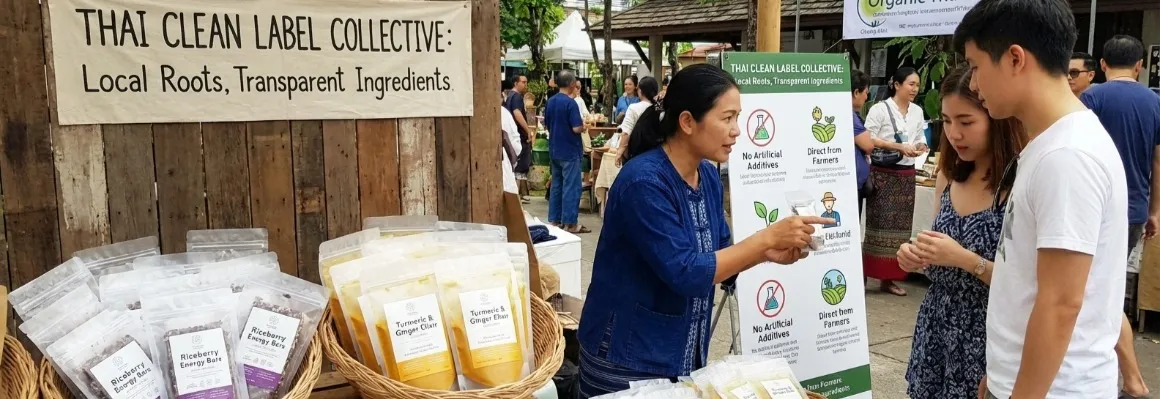
- Transparency: Products with clear sourcing, traceable plant actives, and local ingredient stories win trust.
2. Local Meets Global: Plant-Forward Preferences
- Plant-based proteins and herbal actives (e.g., Garcinia, collagen blends, adaptogens) are highly prized, but “local” isn’t just a buzzword; sourcing from Thailand or within ASEAN gives a strong brand advantage.
- There’s strong cross-pollination with beauty and energy markets—collagen, vitamin C, and stress-support adaptogens are leading supplement SKUs.
3. Urban Lifestyle and Wellness Influencers
- Social media, digital health platforms, and online retail apps drive awareness and discovery for clean label products, especially with urban Millennials and Gen Z.
- Influencers and medical KOLs (Key Opinion Leaders) who advocate for “no artificial” and “organic” directly affect buying decisions.
4. Environmental and Ethical Drivers
- Climate anxiety is real: 92% of Thais express climate change worries—much higher than the global average—with strong willingness to pay more for products supporting soil quality, local biodiversity, and reduced environmental impact.
- Buyers value “minimal or environmentally friendly packaging,” favor brands backing local environmental initiatives, and are hyper-aware of food waste and overconsumption.pwc
Clean Label Regulations: How Thai Law Sets the Tone
- Thai FDA demands registration for all supplements. Clean label claims (“no preservative,” “all natural”) must be provably accurate; new regulation pressures marketers to show scientific proof for all health/ingredient claims.digital.
- New standards pressure brands to verify product claims and emphasize quality over hype—mirroring European “substantiation” rules but with unique local thresholds.
- Thai food standards naturally encourage clean labeling by discouraging artificial preservatives, encouraging clear ingredient disclosure, and supporting safety/quality checks in export-driven markets (milk powder, protein supplements, condiment sauces).
Thai Clean Label: Ingredients and Format Innovation
- Tapioca, rice, pea, and hemp proteins are in high demand—considered Non-GMO, “clean,” and suited for lactose-intolerant or vegan populations.
- Fruit, vegetable, and herbal actives (with minimal or “nothing added” processing) are preferred in powders, capsules, and gummies.
- Enzymatic hydrolysis and microfiltration: Brands employ these technologies for cleaner, faster-absorbing proteins and “no residue” taste innovations.
- Clean label extends beyond ingredients: Natural coloring, aroma, and functional taste (e.g., mild, not sweet or bitter) are all highly valued in Thailand’s supplement category.
Thai vs. Global Clean Label—What’s Different?
| Aspect | Thai Market Priorities | Global/Americas |
| Local Sourcing | Plant actives, “Made in Thailand,” ASEAN origin | Broad, but less local-yoked |
| Formulation | Simpler ingredient lists, no artificial anything | Varies, but may allow more |
| Regulatory Touch | Requires all claims to be substantiated, Thai FDA approval per SKU | US/EU trends vary, substantiation less strict in US |
| Packaging | Eco-pack, minimal, focus on end-of-life/recycle | Emerging, less dominant |
| Climate Ethos | Mainstream among Gen Z, Millennials, higher price elasticity | Growing, but not at Thai levels |
Key Challenges and Best Practices for Supplement Brands
1. Regulatory Readiness
- Ensure full supplement registration with Thai FDA; every clean label claim (plant-based, no preservatives, organic, gluten-free) must be documented.
- Run label copy and ingredient decks by regulatory/local experts; non-compliance triggers recalls or delisting.
2. Local Flavor and Story
- Incorporate Thai botanicals, culturally resonant actives, and local production stories.
- Optimize for digital platforms—short, clear, visually striking ingredient callouts and data about sourcing.
3. Packaging Ethics
- Use eco-friendly packaging and communicate recycling/eco-support programs clearly.
- Even DTC and e-commerce brands need to consider environmental messaging for urban buyers.
4. Collaborate with Local Influencers
- Partner with wellness, fitness, and medical KOLs who are trusted voices in online communities.
- Peer and expert reviews on Thai platforms (LINE, Instagram, Facebook) are essential to drive adoption in urban and suburban demographics.
The Road Ahead: What’s Next for Thai Clean Label Supplements?
- The next growth phase will likely see “clean label plus”: products offering not only transparency and ultra-purity, but also functional benefits for stress, metabolic health, digestion, and skin—all rooted in science and documented by local regulatory data.
- Technology and digital retail will further empower consumers; expect more QR codes, blockchain-backed sourcing, and on-app supply chain transparency.
- Brands able to localize global innovations—balancing international trends with Southeast Asian ingredient and sensibility—will win.
Frequently Asked Questions
Q: What’s the official definition of clean label in Thailand?A: There’s no strict legal “clean label” definition, but industry and FDA benchmarks require simple, natural, minimally processed, and fully disclosed ingredients, with substantiated product claims.
Q: Will Thai buyers really pay more for clean label?
A: Yes. Surveys show 66%+ are willing to pay more for sustainable, food-safe, and pesticide-free products, with Gen Z and Millennials leading the way.
Q: How strict is regulatory enforcement?
A: Thai FDA is among the most vigilant in ASEAN: all supplement claims must be substantiated; ingredient lists and claims face real spot checks and penalties for violations.digital.
Q: Which supplement types are growing fastest?
A: Plant-based proteins, adaptogens, anti-stress and beauty-from-within SKUs, and “no additive” functional gummies, especially those using local or ASEAN-sourced botanicals.
Conclusion
Clean label is more than a trend in Thailand—it’s a new baseline demanded by culturally sophisticated, sustainability-minded buyers. Brands that combine ingredient simplicity, local sourcing, strong digital engagement, and ironclad regulatory compliance will set the standard for success in Thailand’s booming supplement market.Want to succeed in Thailand’s clean label revolution?
Collaborate with Thai specialists, local influencers, and ingredient/formulation experts to stay ahead—and build loyalty with the country’s most discerning buyers. Contact us for more information and partnership.
References:
https://www.champion-bio.com/news-detail/clean-label-supplements-thailand-oem-2025/https://www.grandviewresearch.com/industry-analysis/thailand-dietary-supplements-market-report
https://www.advacarepharma.com/en/news/asean-wellness-boom-strategies-for-supplement-distributors-to-succeed-in-a-growing-market
https://www.databridgemarketresearch.com/reports/global-clean-label-plant-based-supplements-market
https://www.pwc.com/th/en/asia-pacific/2025/voice-of-the-consumer-survey/assets/voice-of-the-consumer-survey-2025-thailand-snapshot-en.pdf
https://mobilityforesights.com/product/thailand-protein-powder-market
https://www.foodnavigator-asia.com/Article/2025/10/15/clean-label-demand-fuelling-fruit-and-vegetable-opportunities/
https://digital.car.chula.ac.th/cgi/viewcontent.cgi?article=12357&context=chulaetd
https://freshdi.com/blog/your-expert-guide-to-procuring-top-tier-milk-powder-top-4-milk-powder-suppliers-in-thailand-in-quarter-3-of-2025/
https://malque.pub/ojs/index.php/msj/article/view/3441
https://www.foodnavigator-asia.com/Article/2020/11/10/Taste-for-tapioca-Tate-Lyle-bets-on-Thailand-due-to-rising-demand-for-Non-GMO-and-clean-label-products/
https://www.sgs.com/en-th/news/2021/09/clean-labels-on-foods
https://www.nationthailand.com/health-wellness/40057206
https://ppl-ai-file-upload.s3.amazonaws.com/web/direct-files/attachments/images/94134522/3a2f319d-5133-4535-b645-dbfbee1b76b6/image.jpg?AWSAccessKeyId=ASIA2F3EMEYE57XFQBWT&Signature=f62CGQa0Wc2BKeKW1OTCTEJHFLw%3D&x-amz-security-token=IQoJb3JpZ2luX2VjEDAaCXVzLWVhc3QtMSJHMEUCIQDZKKkdnr99qSdcN0NSUDSjnoqMk5VkJewvcrECX%2B2vXgIgFWpkJCrCuHfBf45RLWk0RvvJsH8kQ1yDYUcAu3J6Duwq%2FAQI6f%2F%2F%2F%2F%2F%2F%2F%2F%2F%2FARABGgw2OTk3NTMzMDk3MDUiDH%2BoAcSv9fC%2FUjbA6yrQBKSQXTKTSJMQQr%2BSdHzSb7alS%2FaK%2FxT8bB5%2FV11Fc%2BUdn%2Frj6uO44FPH2NXpRR30YhPRU00kNUamGTVsqMAtgUDbG4yIlrGU8VWFf4zdTi2eonj9pasxoF4GhsgqbJpB%2Bg6%2BZpo82TYVkCcctjuUh5b7BBC6cU5i155iBubhnmLKIbgBrIs%2FLwMQg5WxchEBSvtetfNFb46roWamfrC8yG4KciGMMuXz%2Fqss0sR47J%2BccSzPOzkLeSvMMokB8%2FsjkKXHrax5fHrLZp3BuC604e1Iy0EkPnlcHtX%2BXajVqCBdUVUKs6mbjLCcfFTaz3k2eQgYjwGYvukLiIIonrNCxKezDtPnizPpO3MX1hDqDmsmHrGsMUSnngZpDI9kqVaXRAmic85MorRcvGesS%2BKzsww6Ir0J9EK9pwxRRsZOtwUgmNauUaffILXA4%2BVEdCdFGBpwjuVexh8I7J5raEQWyPwFoPC3QM9osxKveG3Ff4kcrFPyIcIb%2BKylVam2wd4eNLGVdSRIBGSRJZidsKjboST0%2BoDfIwK5La2idfihHBsutqU3mf7ynw2Bo5BqbpohKz42RUq8kdvDIZeIugP%2Fnm5vWjEGHsYOvsJfci2XTn32WiY1rd%2BOsbuzrmvxCz4Rr2bjrHdYASOz4J0GhcaXNLJ2RwLzRTLxwIp3QWkW6IYOGVbH9OafWXjZ%2BgvUr4U49AMSI5Z29iZgX15vtGlu8Lq5b%2F7979bpPfji5f8AL187UQ9qj66fCZtkjr0XftMNIx2rY8OQBOsjL0ihRUhZOcEw4KmMyAY6mAH2Pk23naxlA2WG%2FXMX%2BgN1dlghinvRb0yYtq5aWpm4NkCV1kB8t5MbAZvcdDY%2BQCJzLFURPTtyWlMgFB%2FFHf0v%2FTQVLfVWBaA72RvI%2ByBJMIDj4%2BTFwrYnvuoyjpq9cD0VZvC%2Fz0LB8kgyL6KSd6cE7umMh%2B3UMZqWubqWLE59eahDVTuK9SVzVTUxp1vO3oK4OIzdPkW1aA%3D%3D&Expires=1761812816
https://www.kenresearch.com/thailand-nutritional-supplements-and-wellness-products-market
https://www.imarcgroup.com/thailand-health-wellness-market
https://www.sourceofasia.com/market-trends-of-the-asean-vitamin-and-protein-supplement/
https://store.mintel.com/report/thailand-clean-beauty-market-report
https://namvietgr.com/zero-sugar-and-clean-label-beverages/
https://www.tilleke.com/insights/food-labeling-recent-change-thai-paradigm/
https://freshdi.com/blog/top-8-energy-drinks-suppliers-in-thailand-in-year-2025/